Spend on what truly matters
Travellers consider both the price and what a night’s stay offers them.
Make every journeybring you closer to your goal.
Holiday Inn Express · 2017 brand campaign
From Simple, Smart Travel to the Chinese proposition “智在,必达”, translate global positioning into a reason for travellers in China to choose the brand.

The 2017 brand refresh began with global positioning and sought differentiation in the real needs of travellers in China.
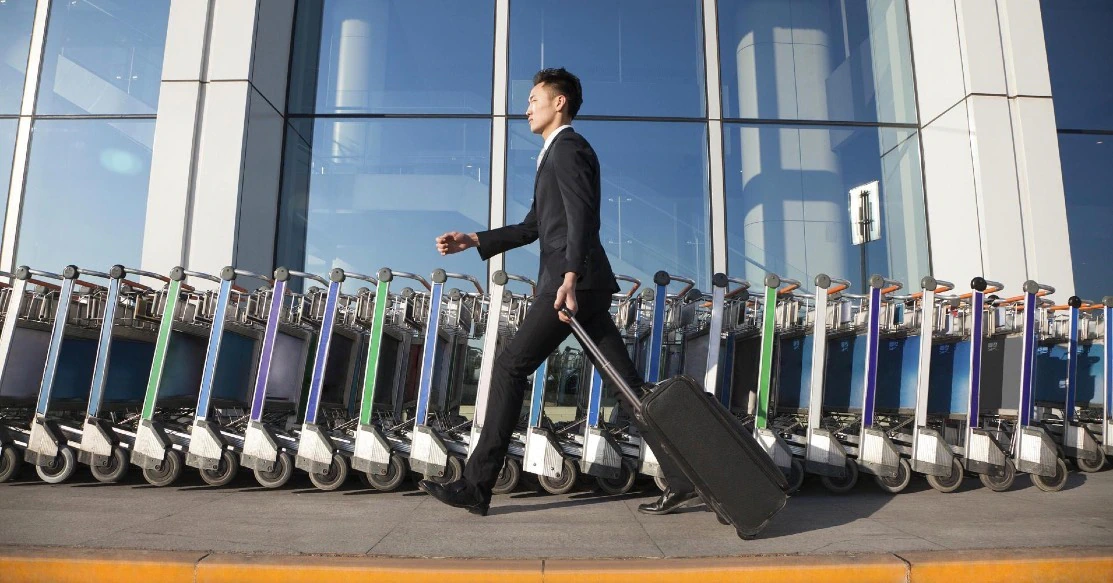
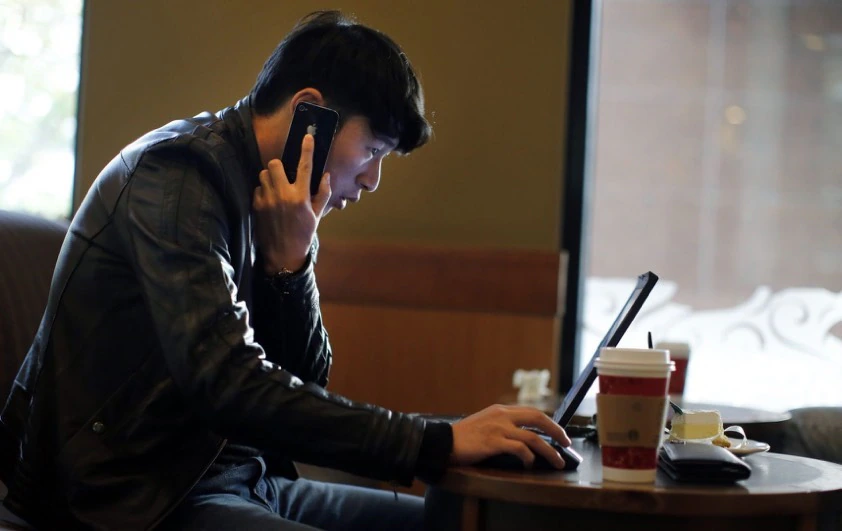
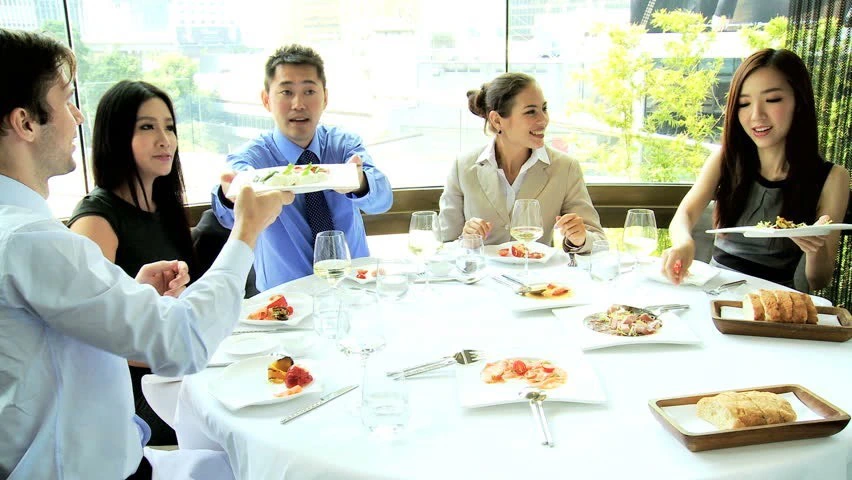
Smart Traveler · audience context from the strategy
START WITH THE TRAVELLER
Understanding what people need to do on this trip helps answer why they would choose Holiday Inn Express.
Smart Traveler · Simple needs for a more confident onward journey.
Get the essentials right
to be ready for the next departure.
WHAT TRAVELLERS REALLY NEED
Travellers consider both the price and what a night’s stay offers them.
Reliable essentials help people keep to their own rhythm.
A hotel is a place to recharge and prepare for what comes next.
Turn service features into confidence for the journey
“智” suggests a smart choice and a helping hand from the brand.
“必达” speaks to the clear purpose behind each journey.
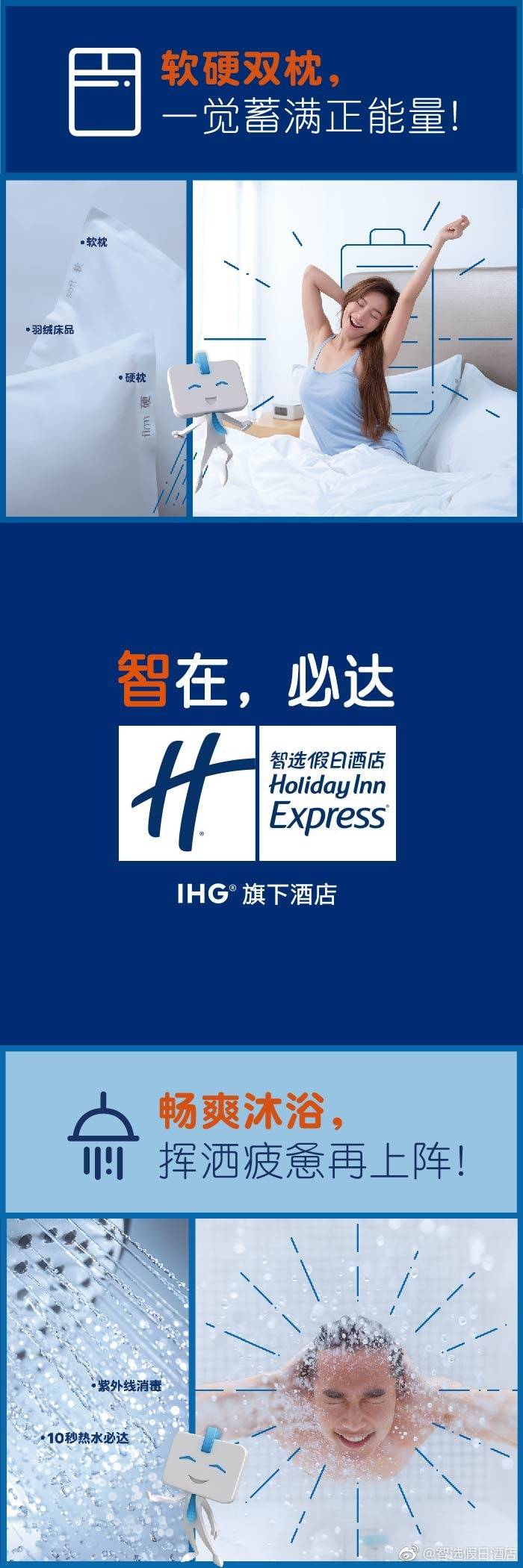
Brand key visuals create the overall impression; service visuals give specific reasons to choose.
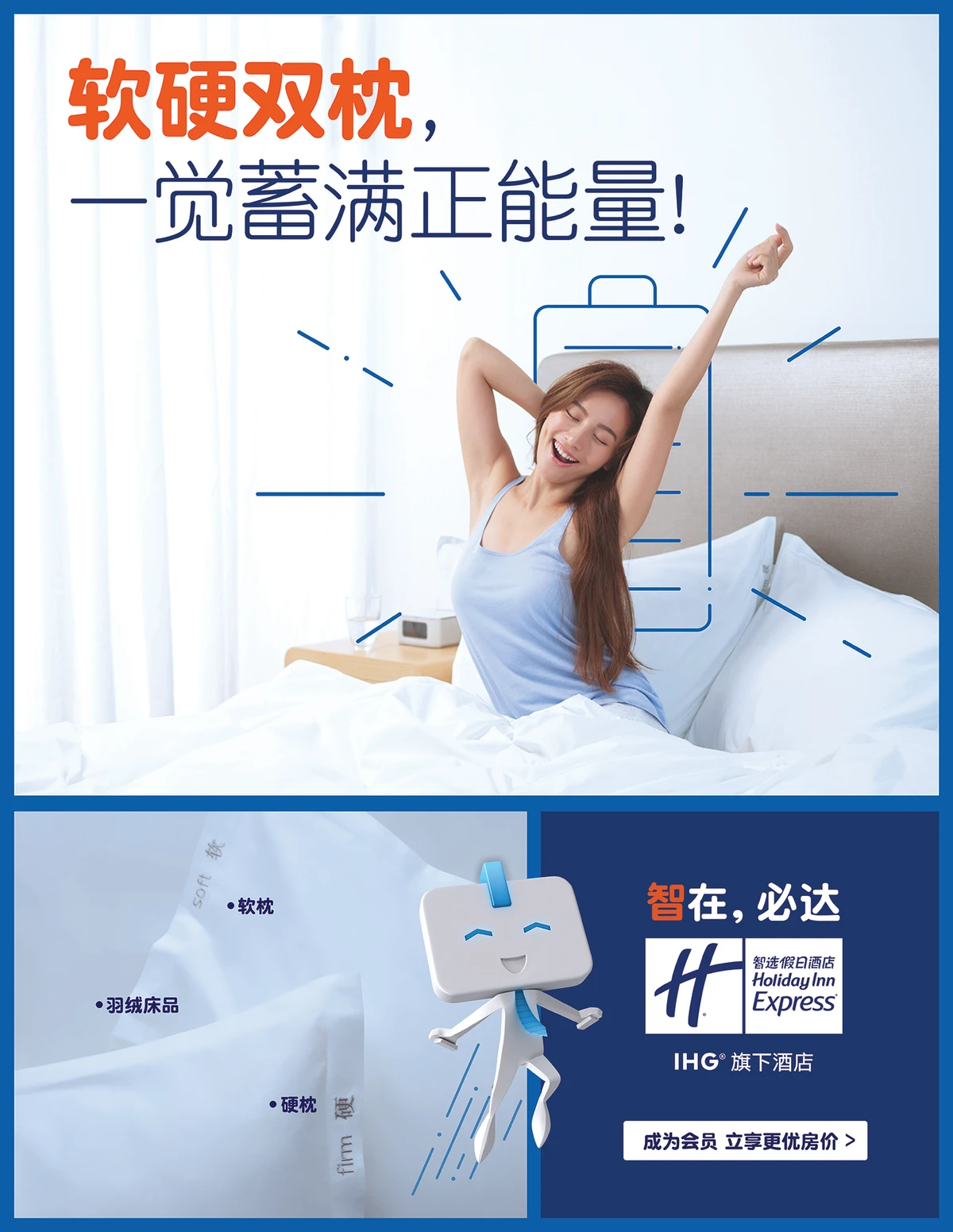
A good night’s rest for the day ahead.
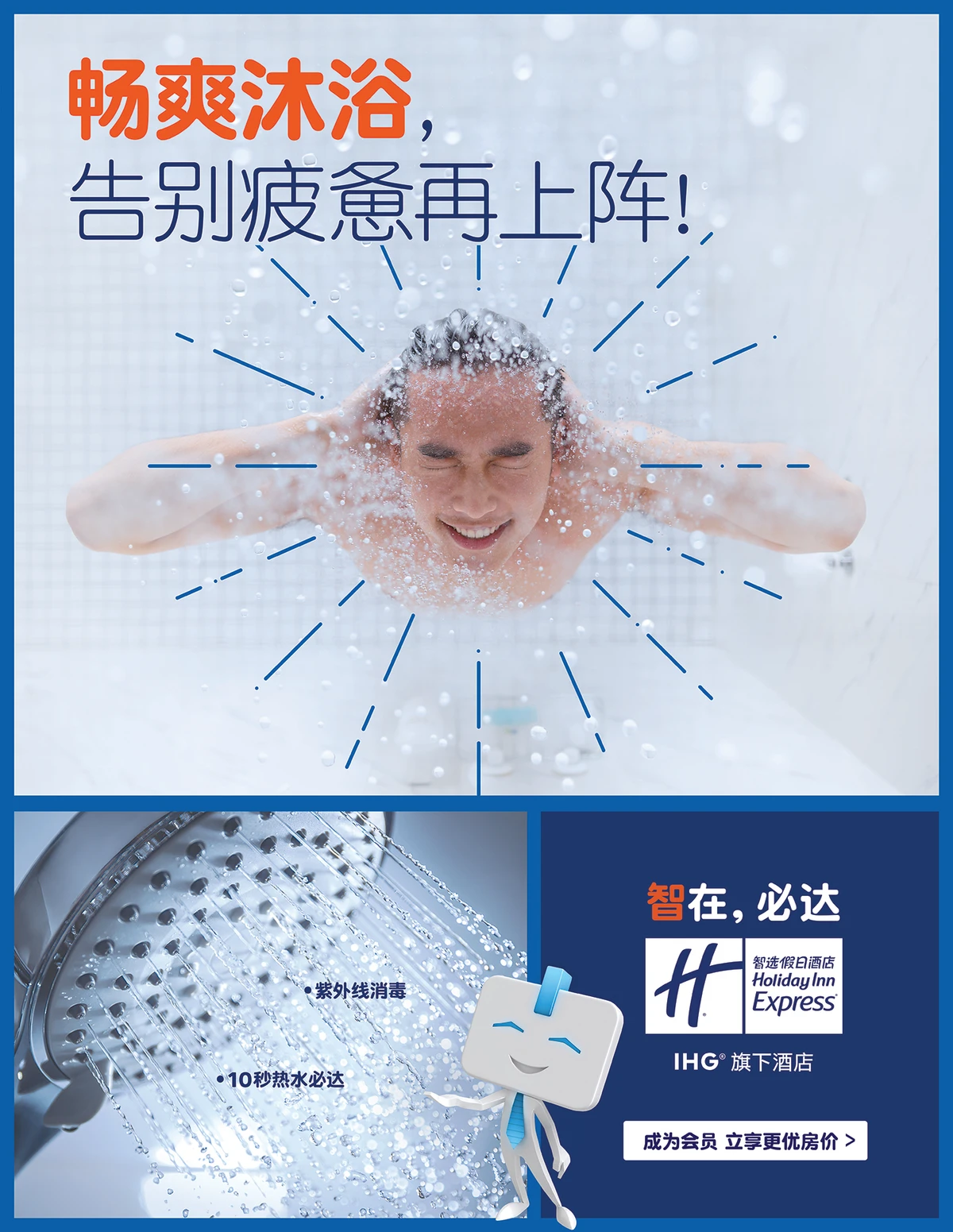
Wash away fatigue and feel ready again.

Start the day at your own pace.
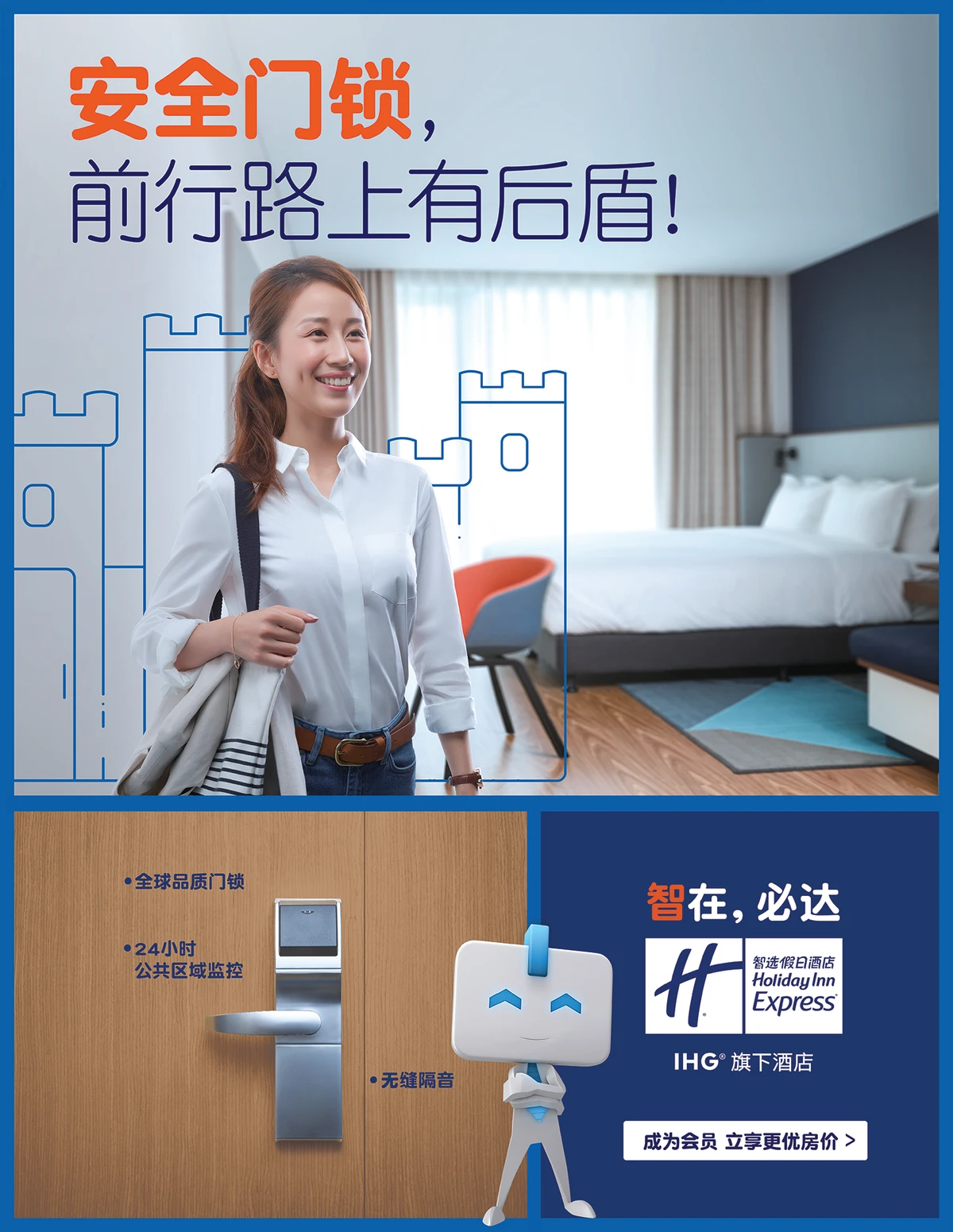
Peace of mind for every stay.
Align media reach with the journey, with distinct roles for awareness, understanding and choice.
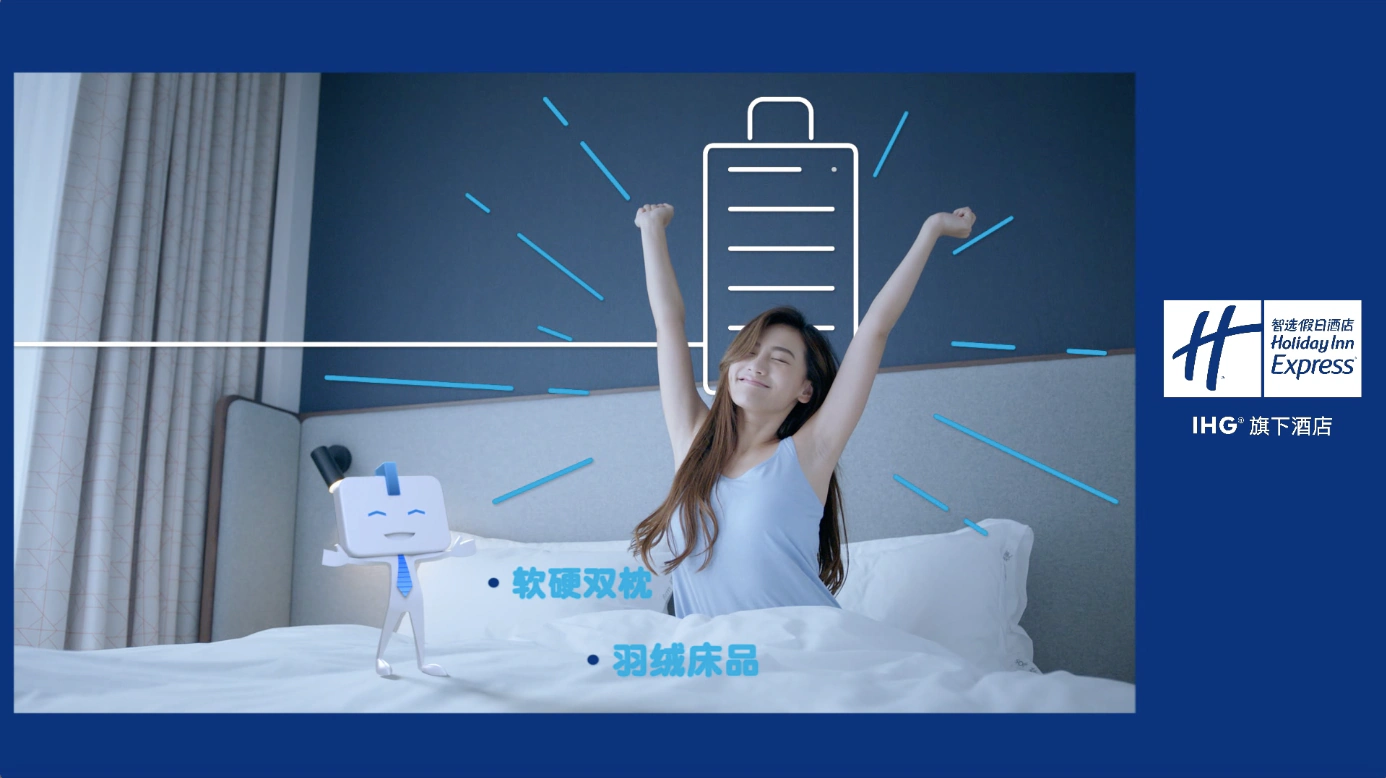 ▶ Watch the brand film
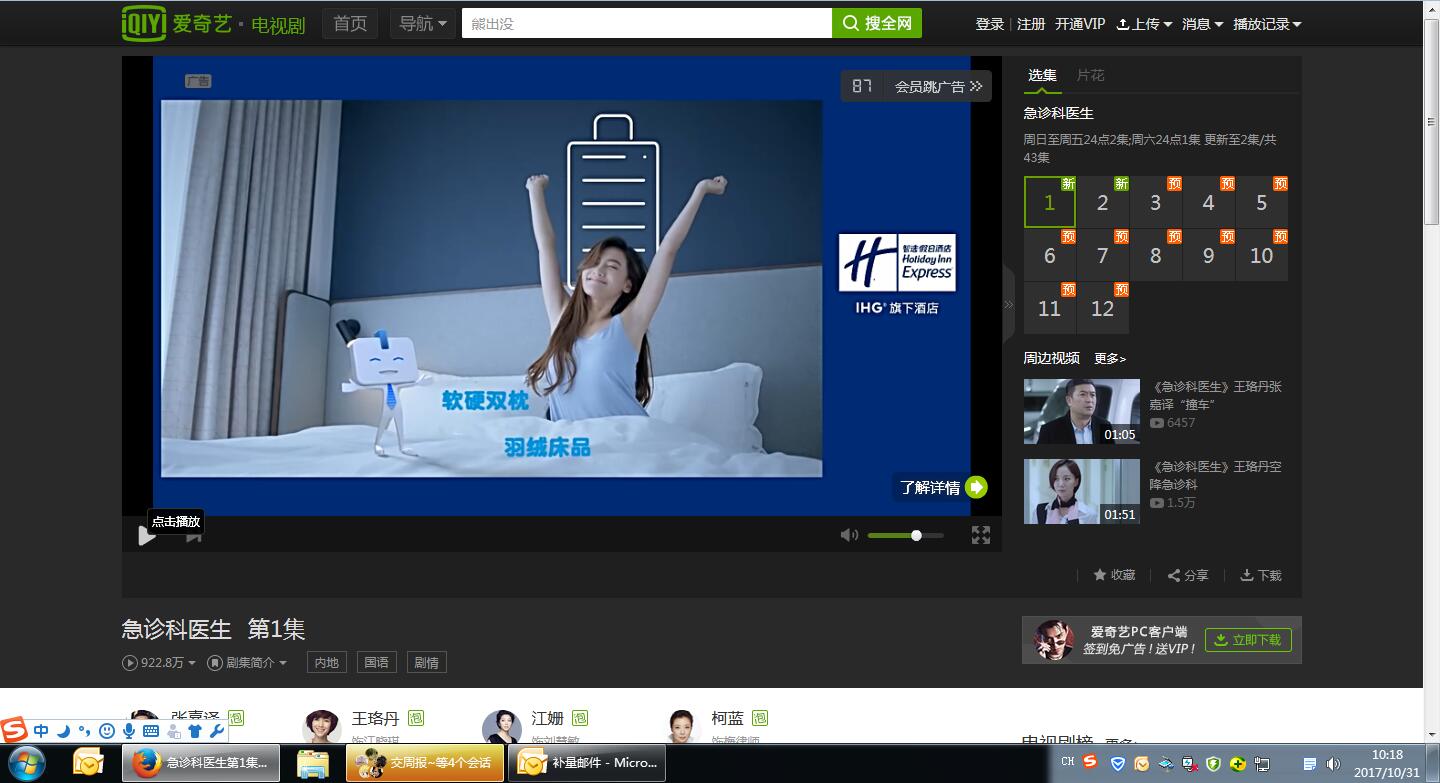
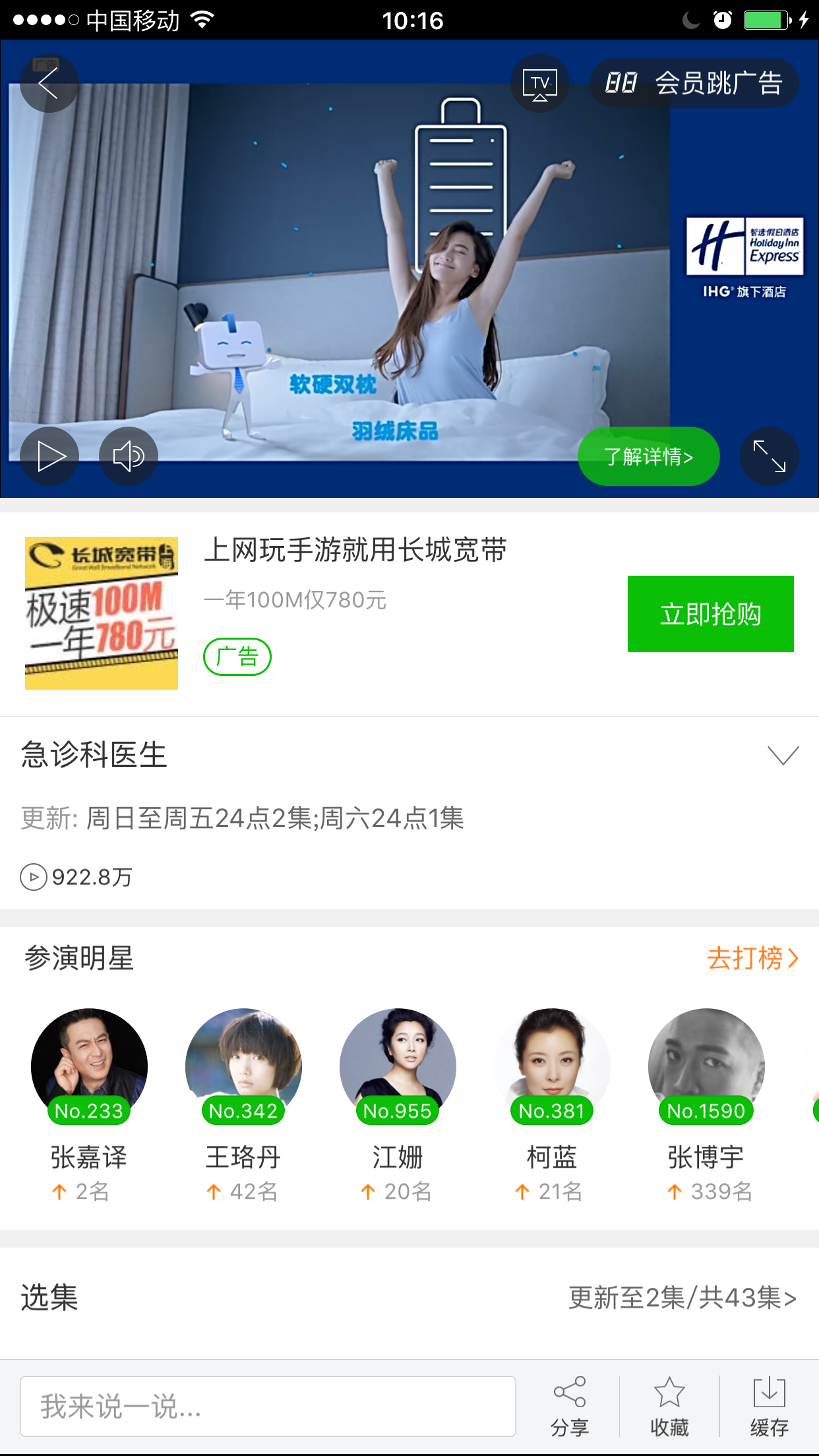
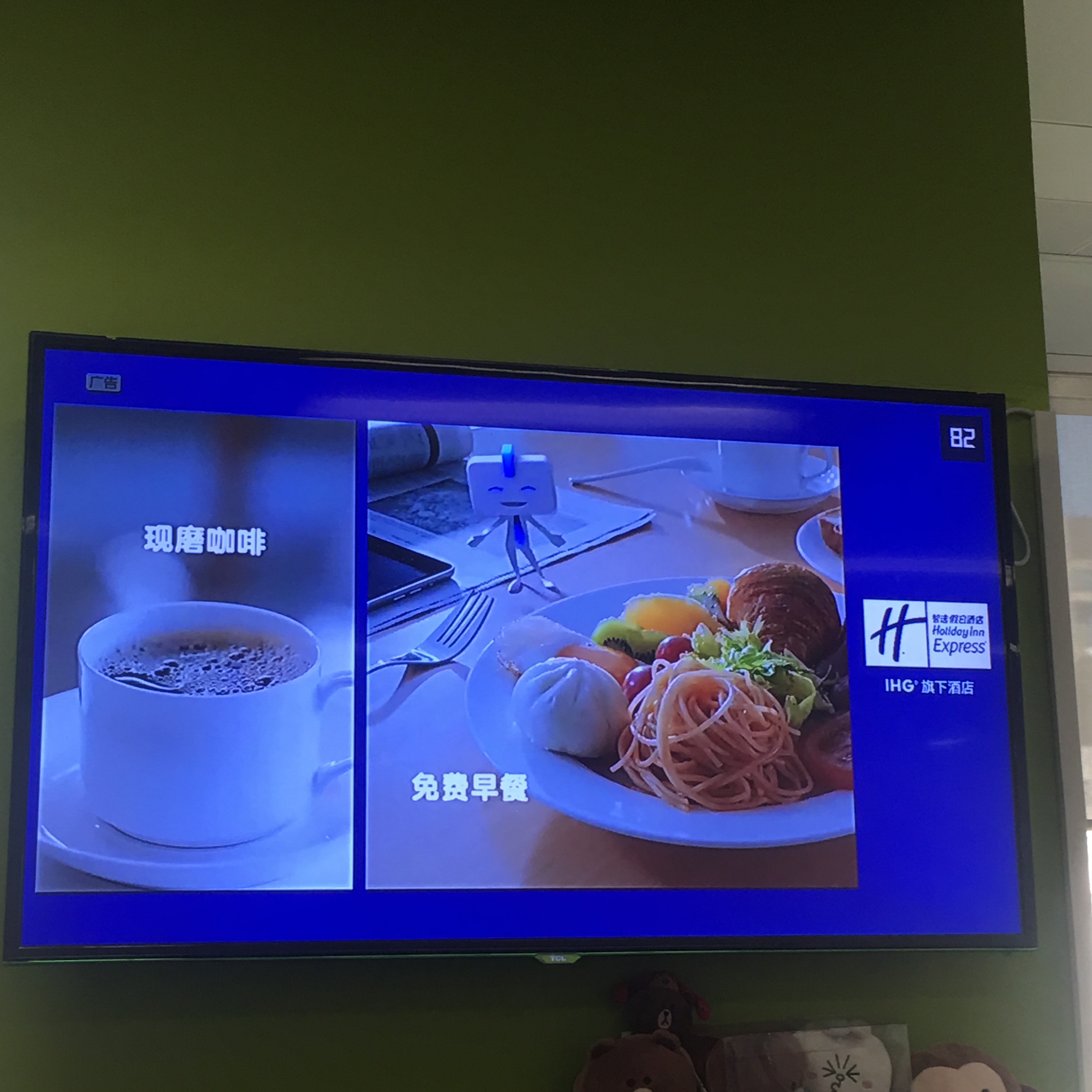
The 15-second films turned service benefits into distinctive brand memories across PC, mobile and OTT.
Social content expanded on the pillows, shower and other experiences, bringing the proposition into daily reading.
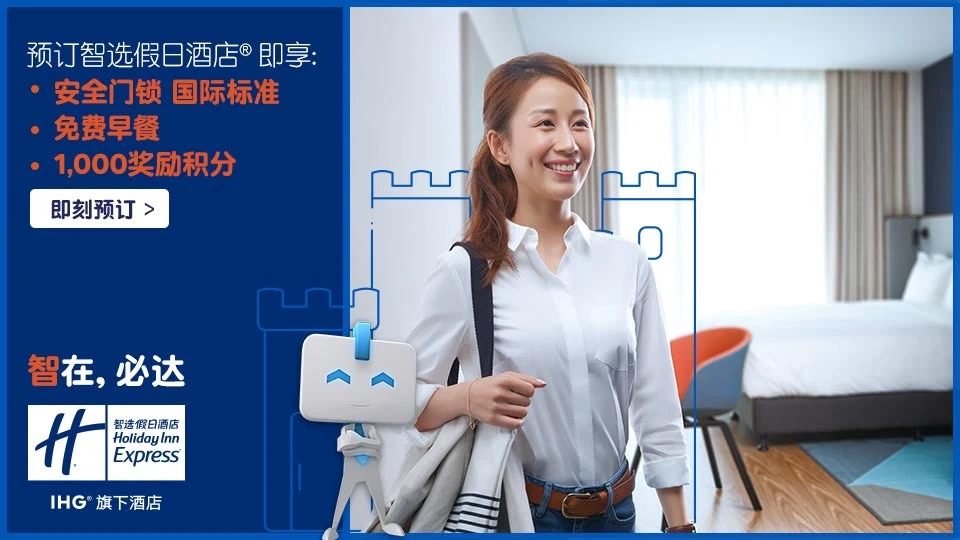
From the journey to the moment of booking, specific services provide reasons to choose the hotel.
Connect sleep, shower, breakfast and security into a story about setting out.
Adapt service moments for 15-second pre-roll and build clear brand recall.
Carry blue brand visuals and service graphics across films, posters and booking ads.
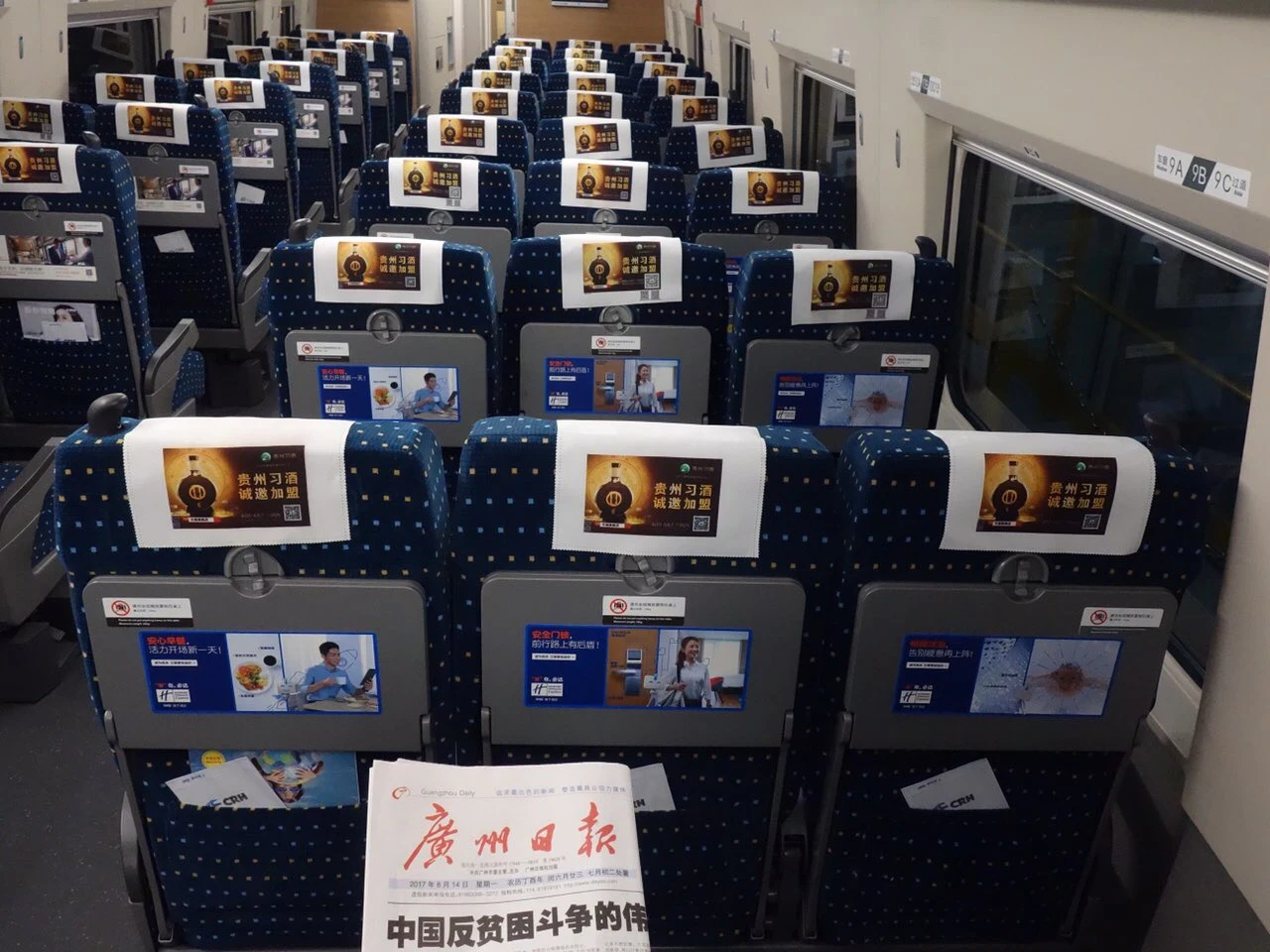
These are finished ads and placement records from 2017. Select an image to see the full clipping.
The campaign also appeared at hotel opening events, bringing the proposition into offline experiences.
Brand feedback, media delivery and creative tests each tell a different part of the story.
As shared in the client’s project review.
15-second iQIYI pre-roll before “急诊科医生” · 31 Oct–21 Nov 2017
impressions
PC, mobile and OTT combinedclicks
PC and mobile combined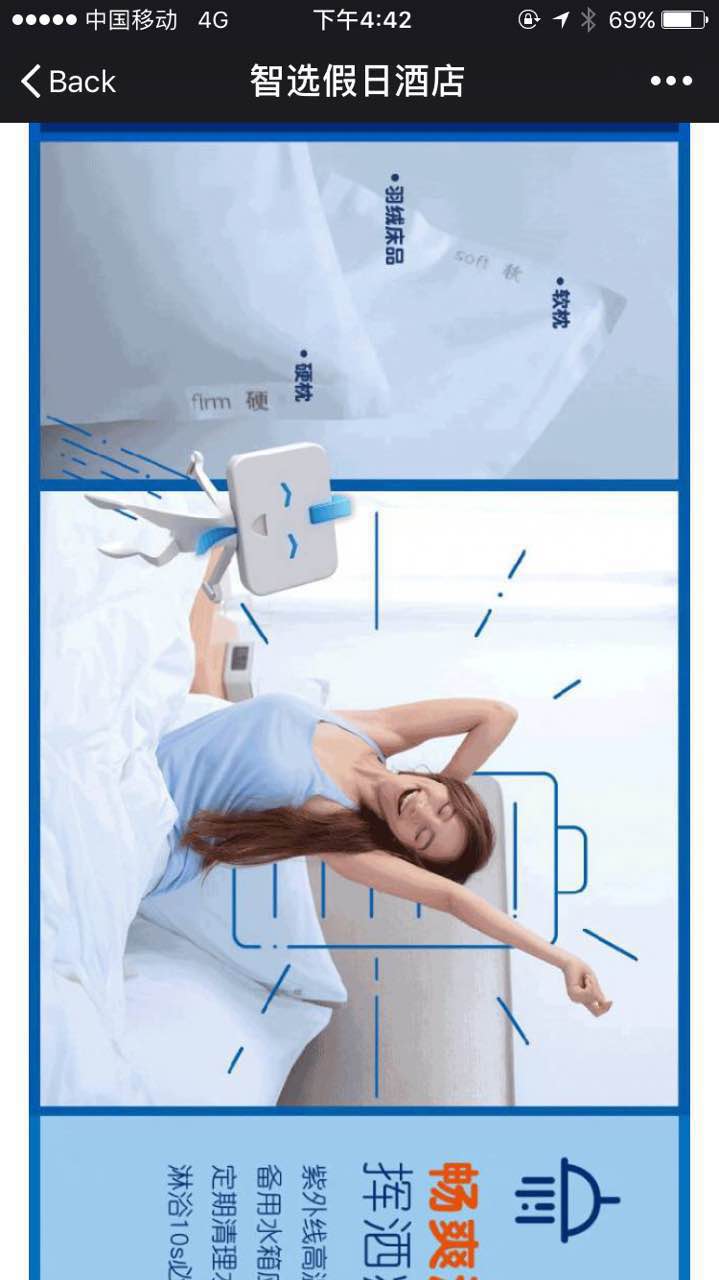 WeChat content clipping
52,890 total reads across nine articles published from August to December 2017.
Project tracking as of 7 Jan 2018; reads are not deduplicated people.
Pillows · brand film stillDoor lock + shower91st percentile
Pillows + breakfast96th percentile
In Shanghai, the two films’ impact scored at the 91st and 96th percentiles of the benchmark. In tier-two cities, “pillows + breakfast” was more consistent while “door lock + shower” was weaker, showing regional differences.
Media figures come from placement reports and content tracking; impressions, clicks and reads are counts of events. These figures do not represent the full campaign total, and creative testing is not the same as post-campaign brand preference measurement.
LATE 2017 · COMPETITIVE AND BRAND REVIEW
When products are comparable, distinction also depends on how a brand expresses the experience.
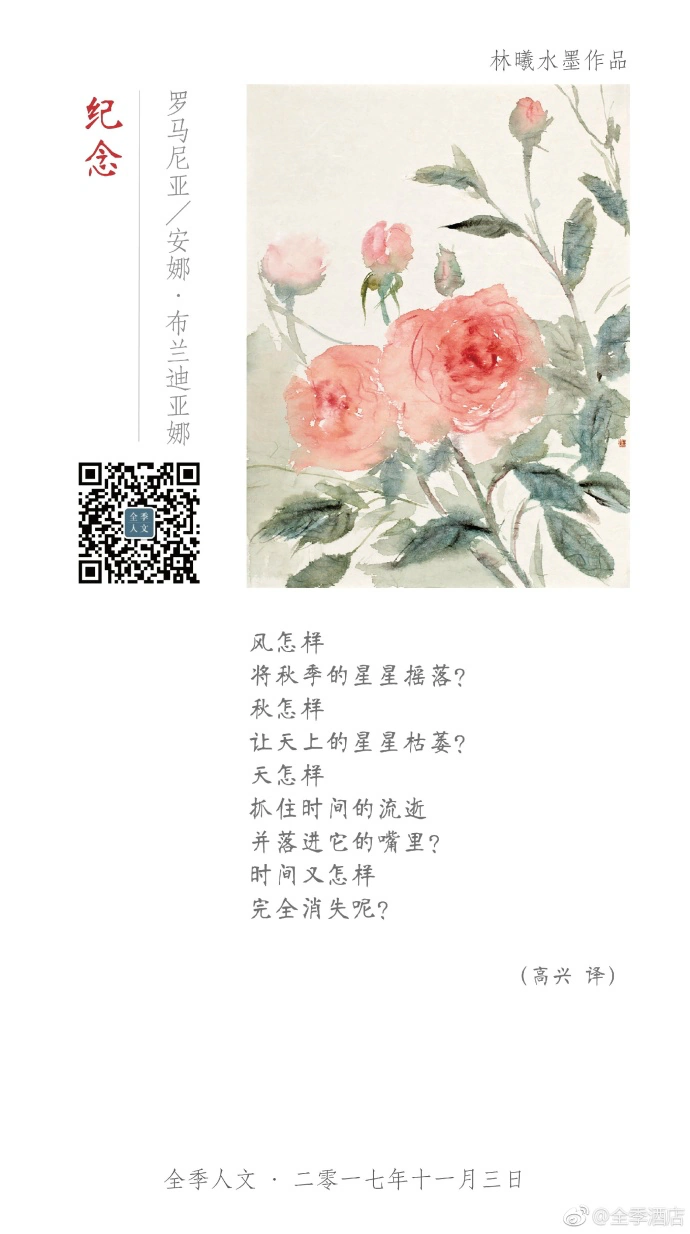 HUMAN STORIES AND POETRY
Use poetry and imagery to express the human side of travel.
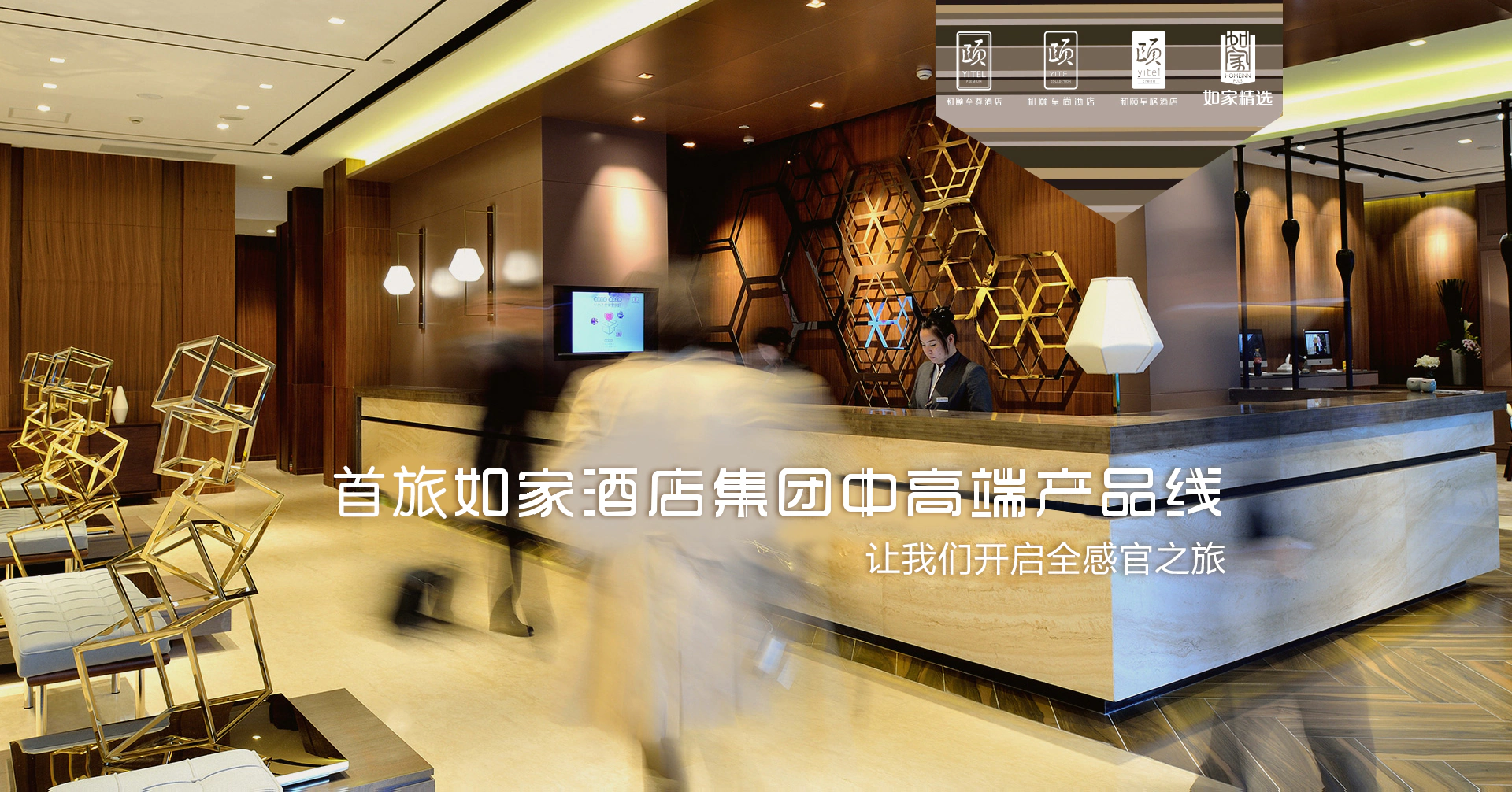 A SENSORY JOURNEY
Use the five senses to open up the business travel experience.
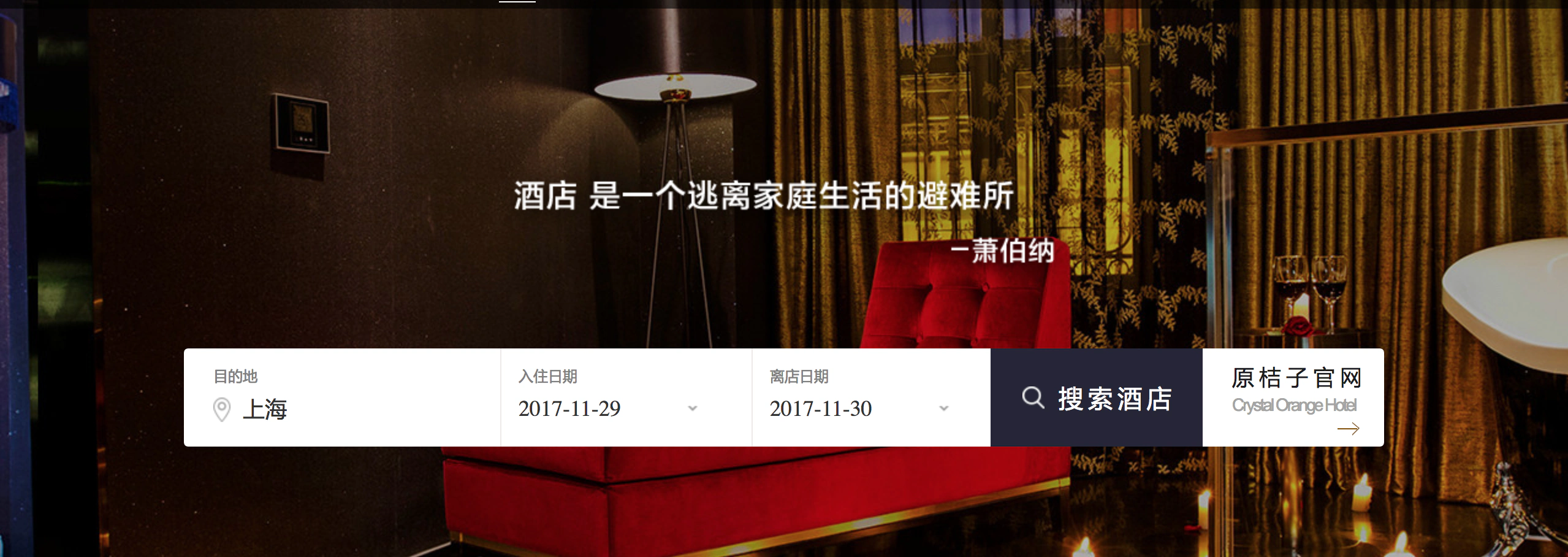 BOUTIQUE DESIGN
Use design and space to establish hotel personality.
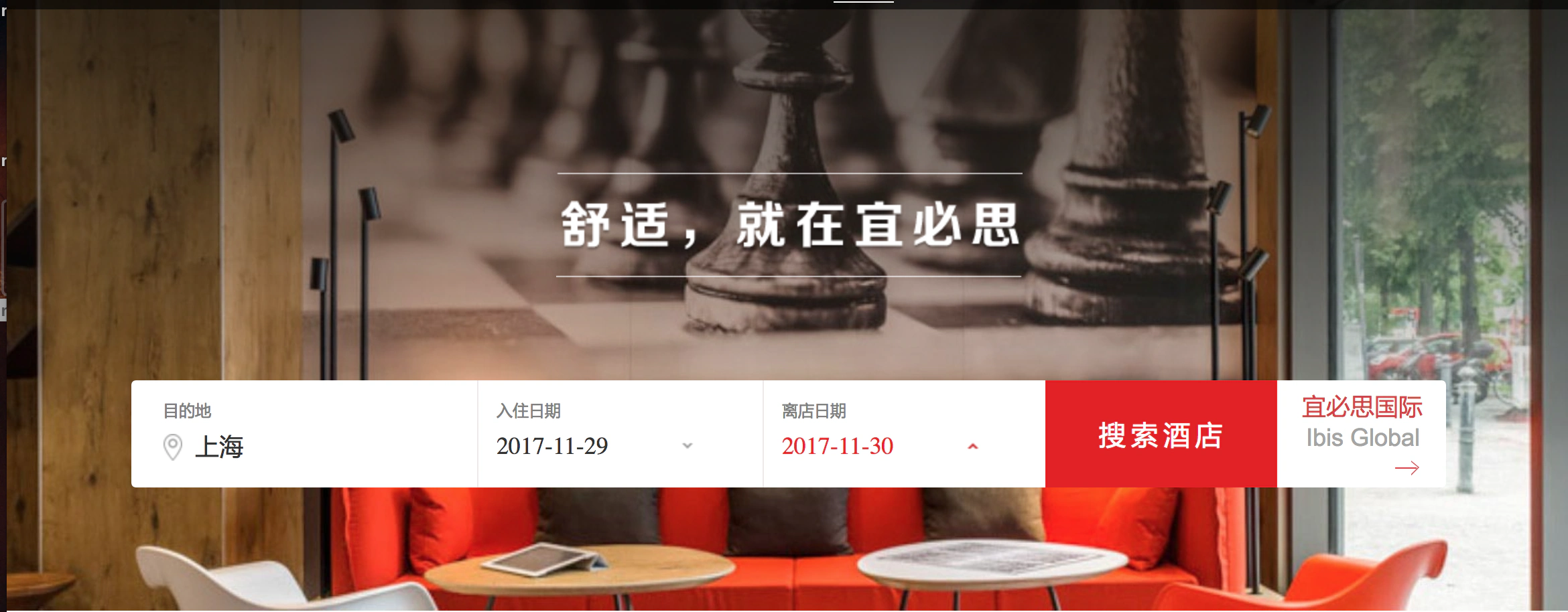 COMFORT AND REASSURANCE
Communicate comfort and reliability through sleep and service.
What is the hotel like? How much does it cost? How many stars?
These questions still appeared in the year-end research. Communications needed to keep explaining the hotel’s quality, services and reasons to choose.
The “智在,必达” proposition needs to remain grounded in tangible experiences, so that the journey can deliver on the promise in the advertising.
Based on 2017 competitor tracking and November brand strategy research. This is a later review, not research that preceded the original creative.